Materials
7 min read
Why Quiet Materials Age Better
Priya Sen

Materials
7 min read
Priya Sen
FILED BY
KAVRA FIELD NOTES / ARCHITECTURE, DESTINATIONS AND THE ART OF INHABITING.
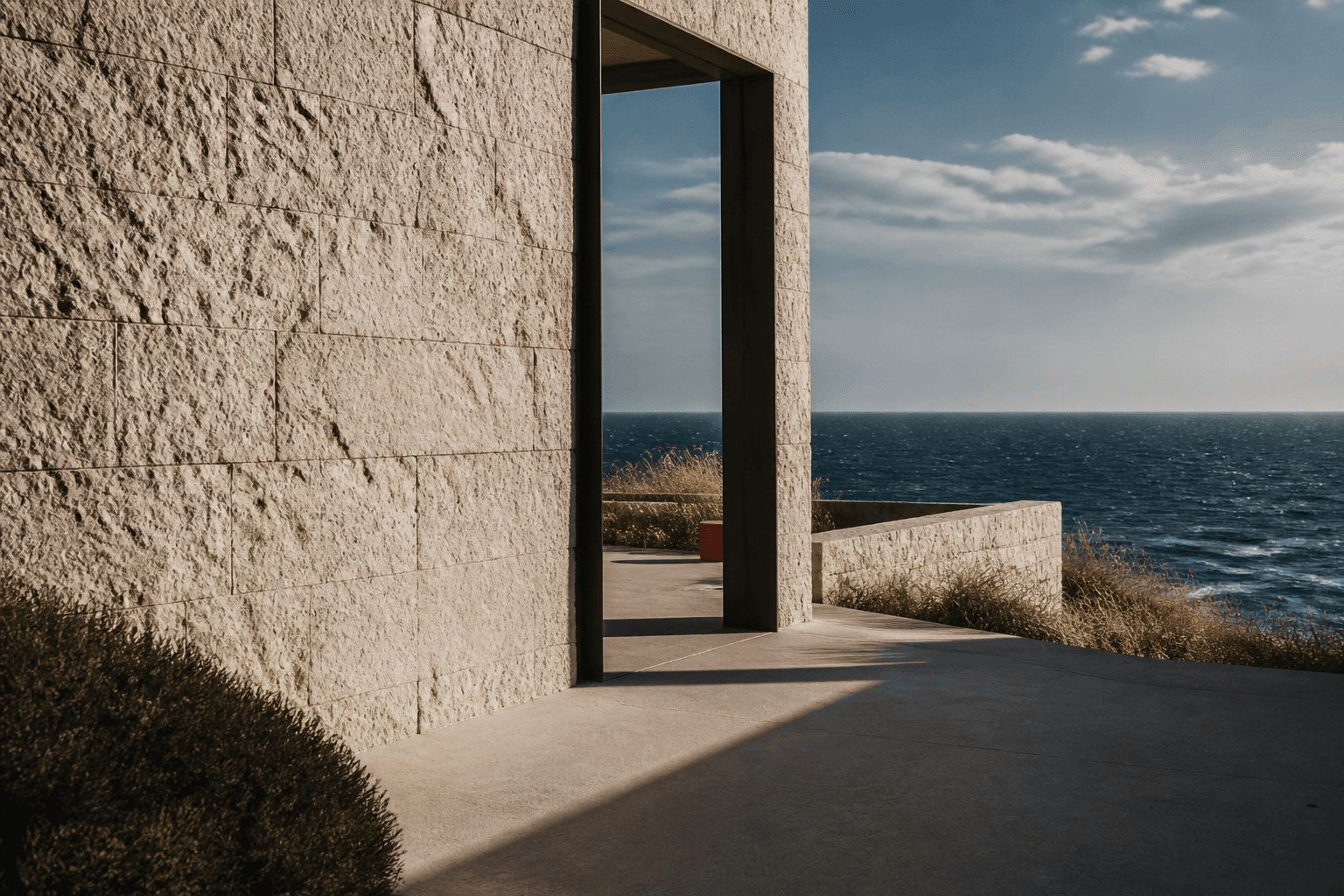
A material that ages well does not remain unchanged. It records contact, light, moisture and maintenance in a way that stays coherent with its original character. Oak deepens, limestone softens at its edges and unlacquered metal darkens where it is rarely touched. These shifts are not defects; they are evidence that a surface belongs to a lived environment.
Problems arise when a material’s image depends on permanent newness. Thin coatings, artificial stone patterns and highly polished surfaces can make ordinary wear feel like damage. Quiet materials are more forgiving because variation is already part of their language. Their color is not perfectly flat and their texture is not entirely controlled.
Longevity also depends on whether an element can be maintained locally. Lime plaster can be patched without replacing a wall. Solid timber can be sanded. Individual stone tiles can be lifted, and mechanical fixings allow panels to be removed. These decisions are less visible than a dramatic finish, but they determine how gracefully a house survives changing owners and uses.
Choosing quiet materials is not an argument for rusticity. Precision and patina can coexist. Clean junctions, controlled proportions and excellent workmanship allow natural surfaces to carry complexity without visual noise. The goal is a home that becomes more convincing as its materials acquire memory.

FIELD IMAGE / MATERIAL, LIGHT AND CONTEXT
VIEW / 02
WORDS AND FIELD RESEARCH
CONTINUE READING